How we build a new deck, from the ground up
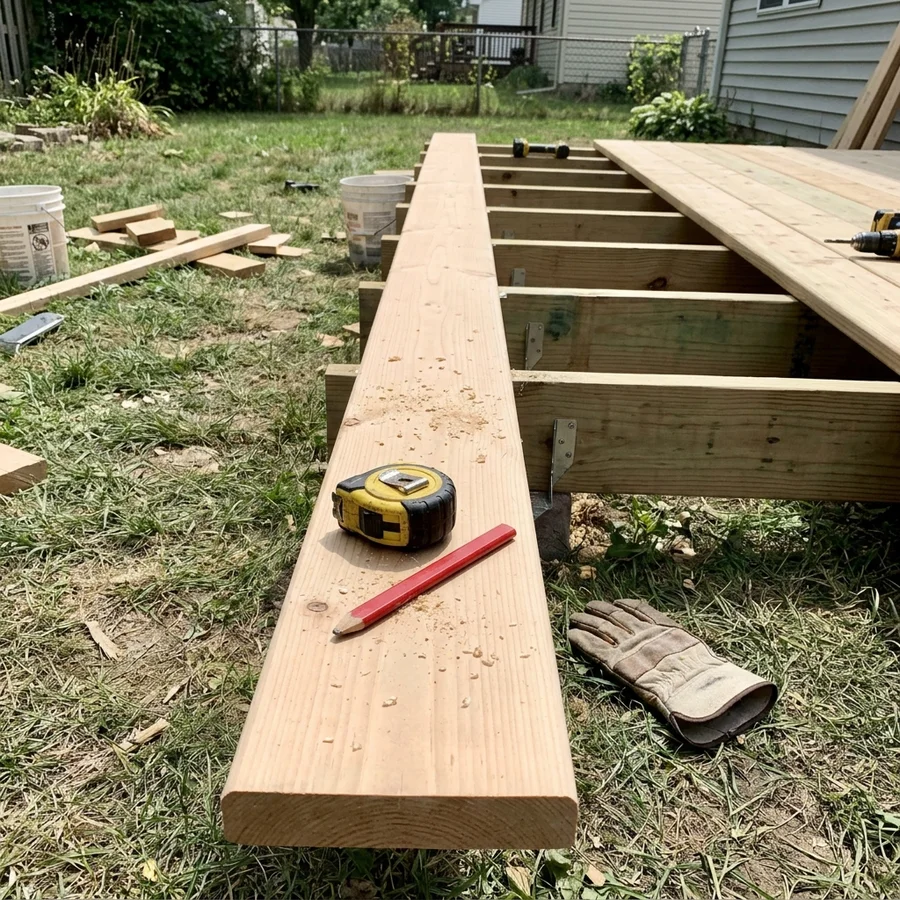
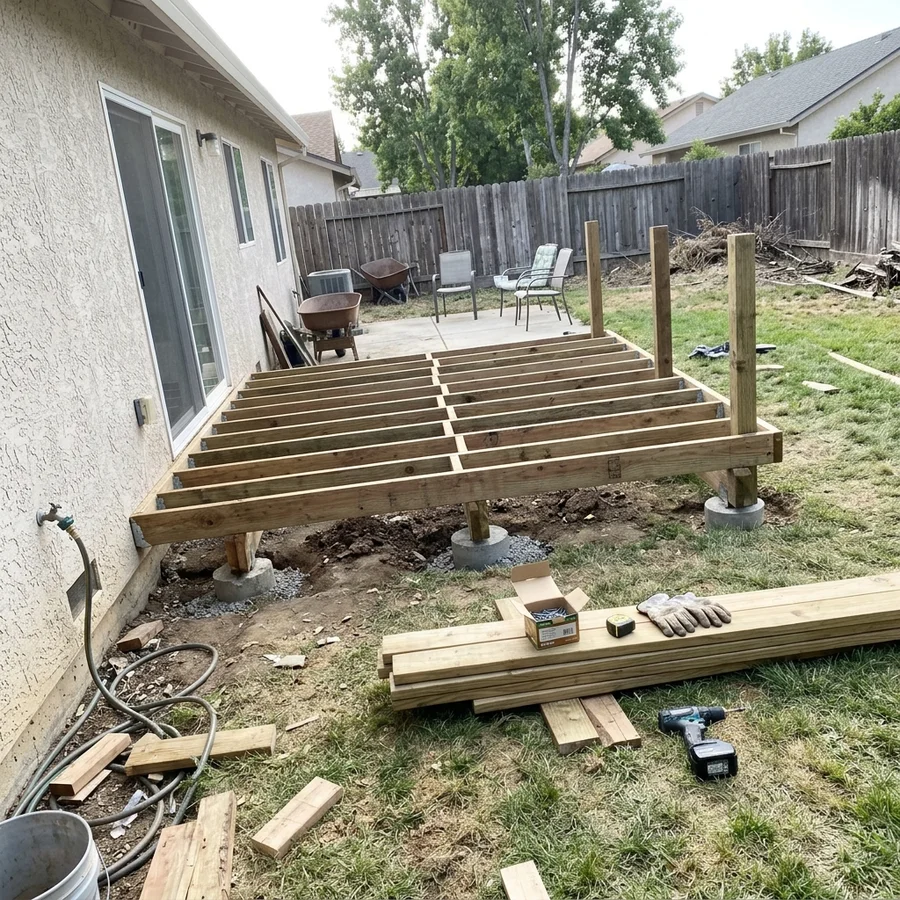
A new deck starts below the surface. The footings go in first, then the posts stand on the footings, the beams run across the posts, and the joists run across the beams. That frame is what the boards sit on, so most of the real building happens before the first board goes down.
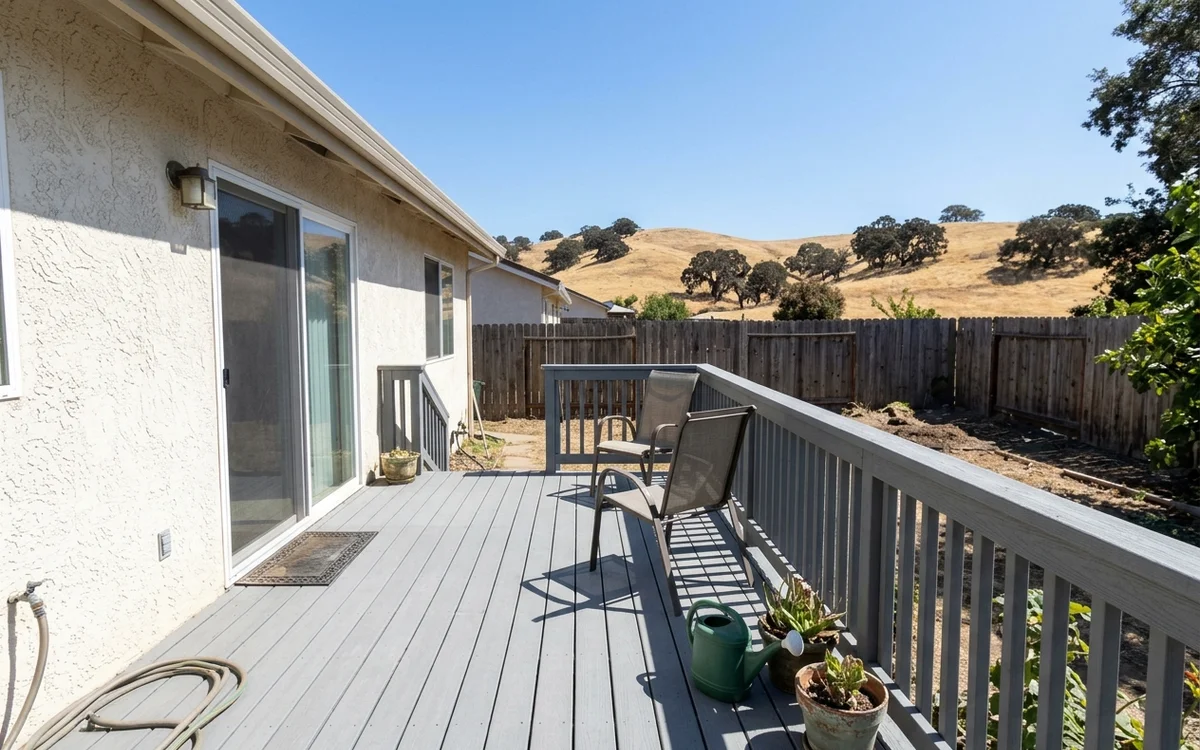
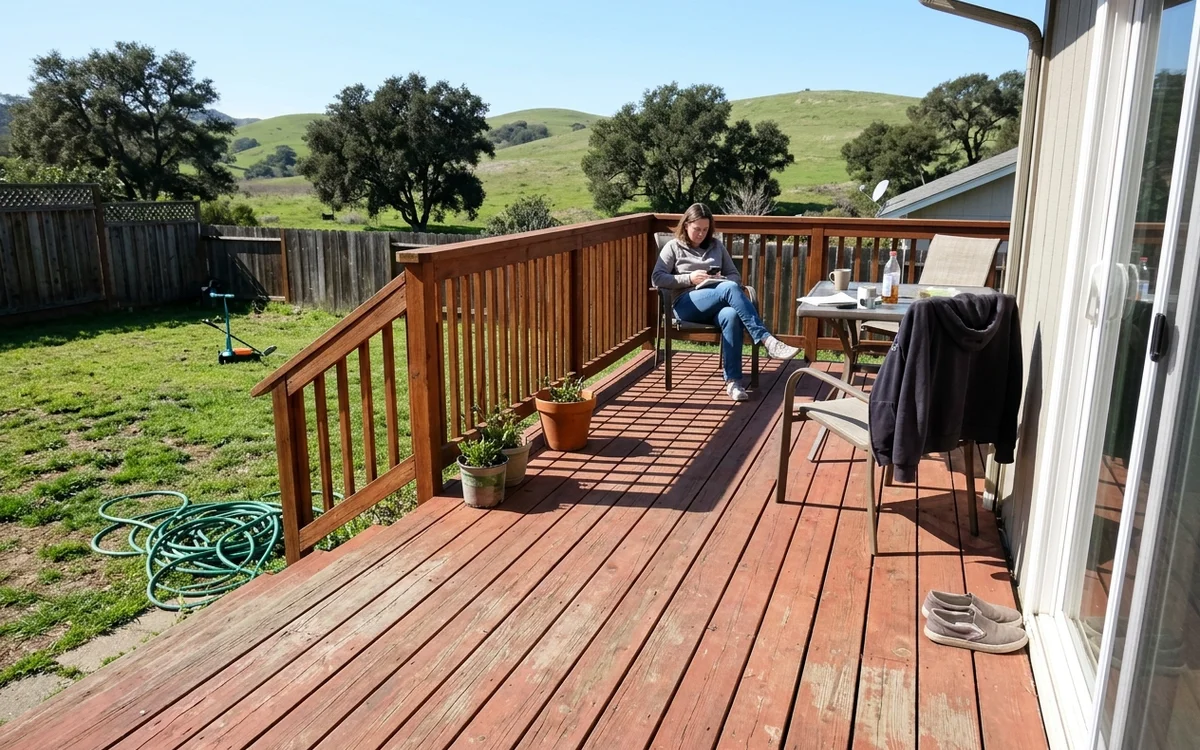
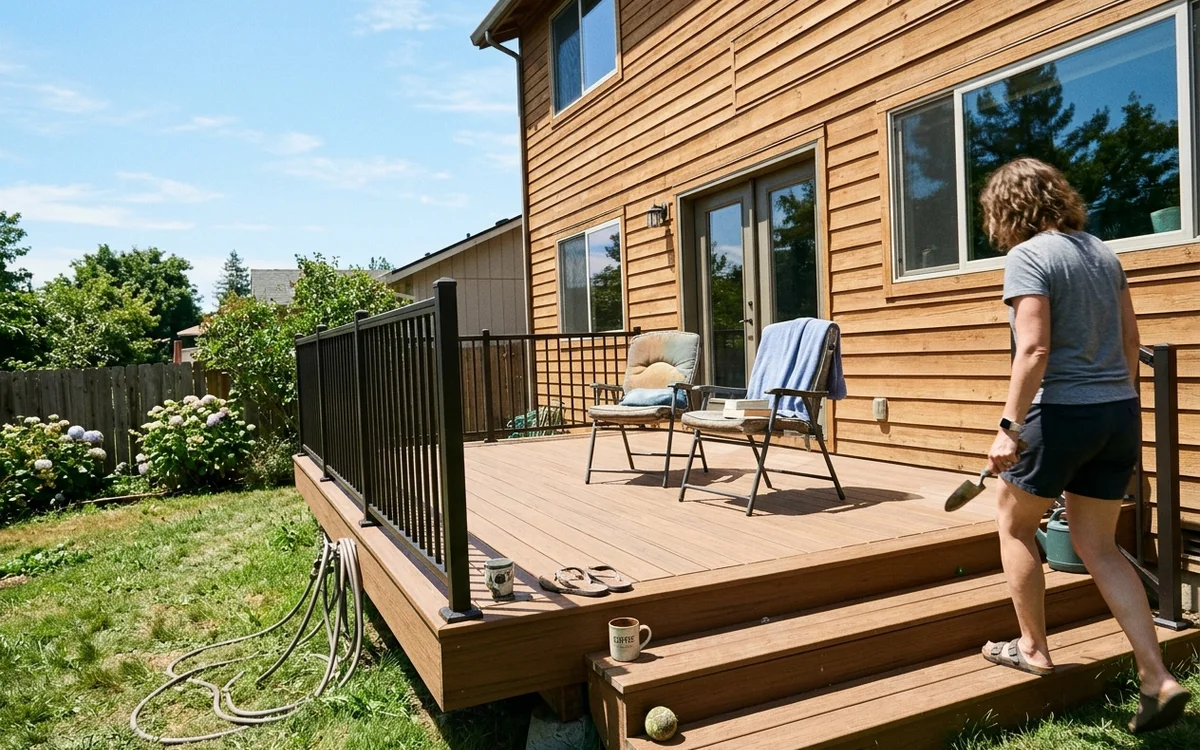
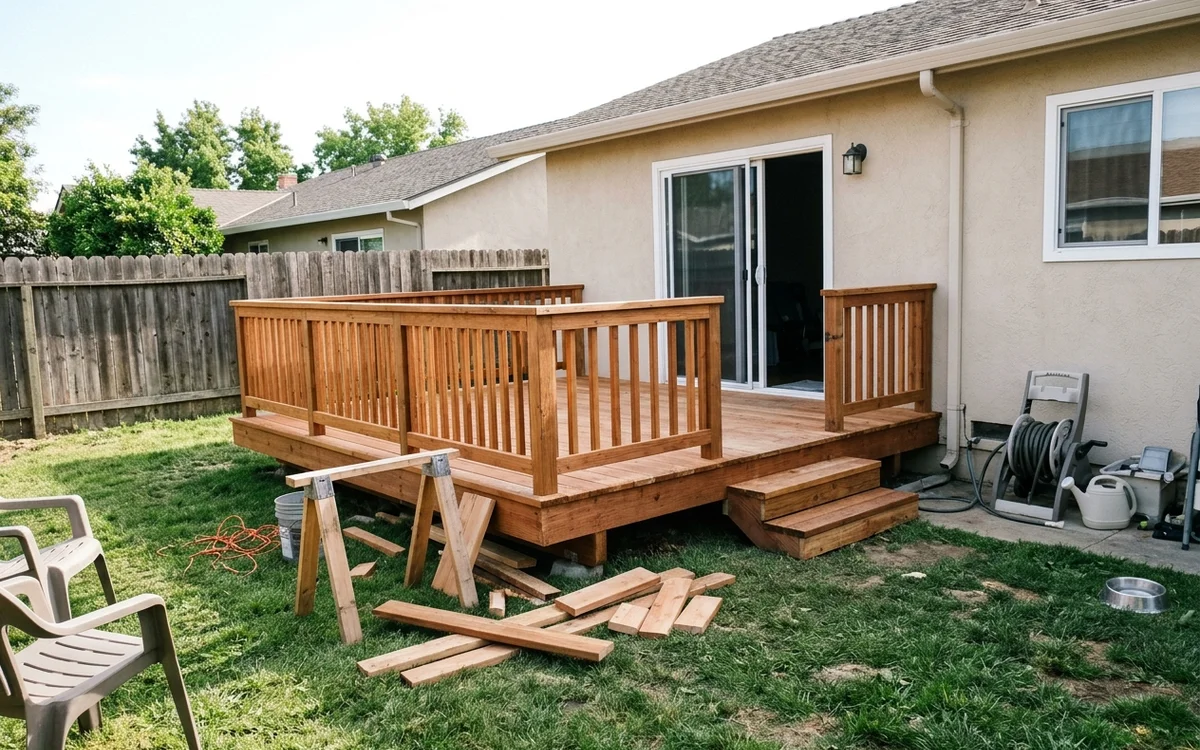
Then the deck boards go on, in pressure-treated lumber, redwood, cedar or composite boards. The stairs come next, with stair stringers carrying the treads down to the yard. Last comes the railing around the edge: railing posts, a top rail and balusters.
Before anyone digs a hole for a footing, there’s one rule that applies everywhere: call 811 before digging.
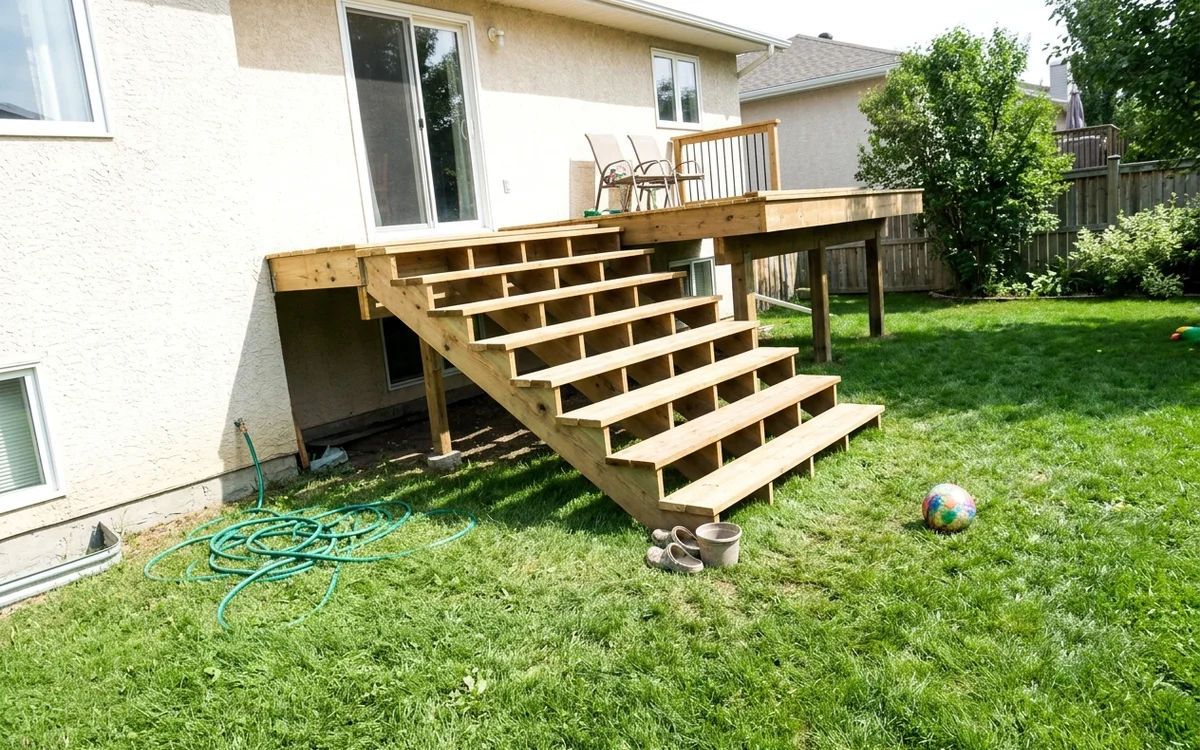
Railings and stairs, on new decks and old ones
There’s no separate railings page on this site, because railings and stairs are part of building a deck. Every new deck we build comes with its stairs and its railing, and the price ranges for a new deck already include the railing.
We also put new railing and new stairs on decks that are already there. Maybe the old railing doesn’t suit the deck anymore, or the stairs down to the yard have seen better days and you’d rather start them fresh. A new wood railing for a typical deck runs $1,700 to $3,000, and a composite railing runs $4,500 to $10,000. Metal, cable and glass railings cost more than wood.
If the railing or stairs only need fixing, not replacing, that’s the kind of job our deck repair work handles.
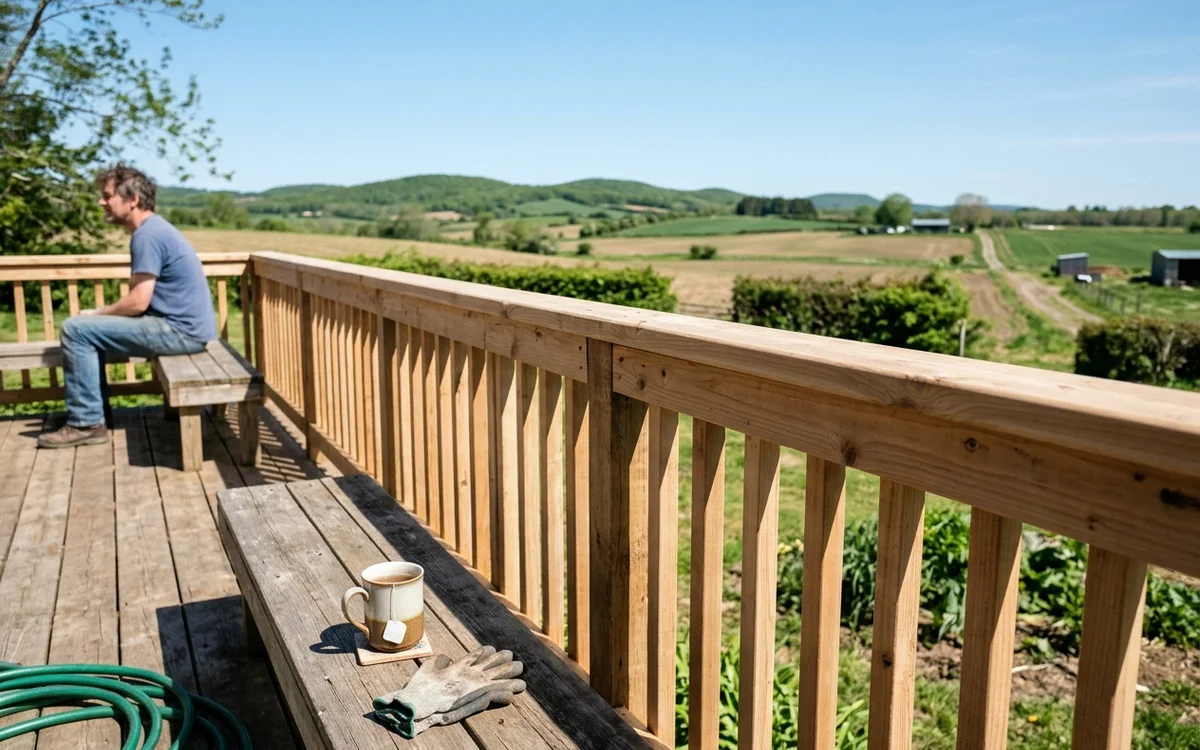
Wood or composite boards
Of the three woods we build with, pressure-treated lumber costs the least. Redwood costs more than pressure-treated lumber, and cedar costs a little more than pressure-treated and less than redwood. Composite costs more than wood. The typical ranges for a new wood deck and a new composite deck are in the price section below.
Composite boards are made from a blend of wood fiber and plastic instead of solid lumber. If you’re leaning that way, our composite decks page goes into it. If you’d rather have real wood underfoot, see redwood and wood decks. We can price the same deck both ways so you can see the difference.
Things we sort out on a new deck
Getting from the door down to the yard
A deck off the back of the house usually sits a few steps above the yard. We work out where the stairs land, how wide they should be and which side of the deck they come off, so the deck fits the way you actually walk out to the lawn.
Wood that touches the soil
Termites are common across most of California, and drywood termites, found along most of the coast, can get into decks. Wood that touches the soil should be treated or naturally resistant. We keep that in mind from the footings up.
Shade over the deck
If you want shade overhead, a wood pergola or a solid patio cover can go over the deck. A pergola set on a deck may need engineering or bigger footings, so it helps to tell us about it before the footings go in. Our patio covers and pergolas page has more on both.
Permits and fire hazard zones
Deck permit rules differ from one town to the next, and we check what applies to yours. Where California’s wildfire building rules apply, which depends on the lot’s fire hazard zone, a new home’s deck needs fire-rated boards; we check what applies to a deck on yours.